Physical Address
304 North Cardinal St.
Dorchester Center, MA 02124
Physical Address
304 North Cardinal St.
Dorchester Center, MA 02124

If you’re trying to understand how businesses operate, getting to grips with the concept of a business unit is essential. Think of it as a smaller piece of a larger organization, each with its own goals and strategies tailored to a specific market segment or product line. This clarity can help you see how decisions are made at various organizational levels, and why they matter in real-world applications.
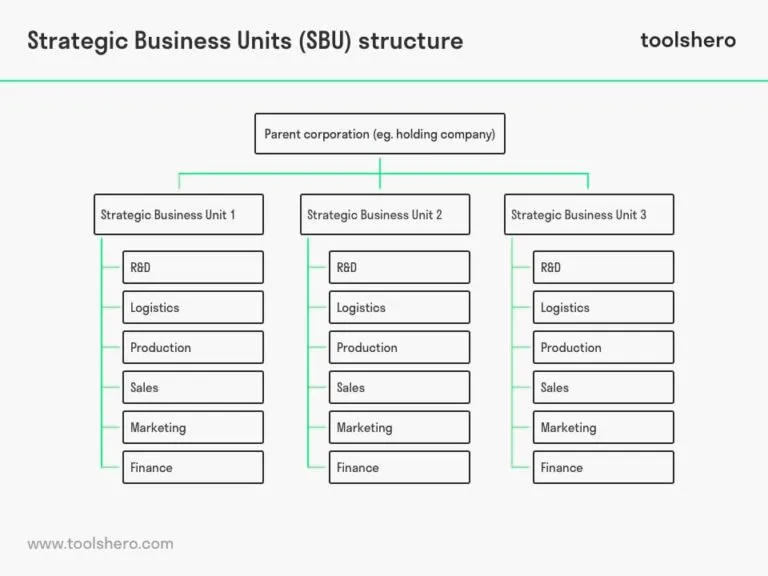
Understanding business units is not just for business students or executives; it has real implications for employees, investors, and anyone involved in a project. When you recognize how these units operate, you can better navigate corporate structures, whether you’re aiming for a promotion, planning a new venture, or simply curious about the mechanics of business.
For instance, consider a tech company that has separate units for software development, hardware, and customer support. Each of these units contributes to the overall mission while focusing on distinct aspects of the business. Knowing how these units interact can give you better insight into how priorities are set and resources allocated, ultimately influencing the company’s path.
To expand your understanding, take a look at this article that breaks down what a business truly means, complete with examples that can deepen your grasp of the subject: What Is Business With Example To Enhance Your Understanding.
A business unit is typically a standalone segment of an organization, tasked with specific objectives. Each unit operates within a larger corporate framework while focusing on its unique goals. Understanding the components of a business unit can clarify how they function and contribute to overall organizational success.
| Type of Business | Business Unit Example | Description |
|---|---|---|
| Consumer Goods | Home Care Division | This unit focuses on cleaning products and operates independently under the larger company umbrella. |
| Technology | Software Development Team | Dedicated to creating and managing software solutions, can pivot quickly based on market trends. |
| Hospitality | Restaurant Chain | A segment of a larger hotel brand concentrating exclusively on dining experiences. |
The variety among business units is vast. For example, a company like Procter & Gamble has separate units for beauty, health, and home care products. Each unit operates with its own strategies, goals, and resources, allowing for focused efforts that drive growth and profitability.
By separating various aspects of the business into units, organizations can enhance performance metrics and operational efficiency. Each unit brings specialized approaches to their respective markets, contributing to the overall health of the company.
For those interested in understanding the broader context of business operations and structures, exploring various examples can deepen insights into how companies thrive in competitive landscapes. A related read can be found in What Is Business With Example To Enhance Your Understanding.
A well-known consumer electronics company may have separate business units for smartphones, laptops, and home appliances. Each unit focuses on product development, marketing, and sales specific to its category.
Why this matters: Highlighting the independence of each unit enables specialized strategies tailored to unique user demands, fostering innovation and targeted marketing.
A multinational corporation can operate with distinct units based on regions, such as North America, Europe, and Asia-Pacific. Each unit caters to local market preferences and regulatory requirements.
Why this matters: Stating the regional focus allows for tailored approaches, enhancing customer satisfaction and local compliance, thus increasing market share.
A consulting firm may create specific units focused on industries such as healthcare, finance, and technology. Each unit develops expertise in its sector, offering specialized services to clients.
Why this matters: Providing sector-specific knowledge earns trust and improves service value, ultimately leading to higher retention rates and referrals.
A pharmaceutical giant often has a dedicated R&D unit responsible for discovering new drugs and conducting clinical trials. This unit plays a vital role in driving innovation within the company.
Why this matters: Emphasizing the importance of R&D helps maintain a competitive edge by ensuring a pipeline of innovative solutions that address emerging health needs.
A large food conglomerate may establish separate business units for each brand, such as snacks, beverages, and frozen foods. This allows each brand to focus on its marketing, product development, and consumer engagement.
Why this matters: Asking why brand focus is essential illustrates how tailored marketing strategies can resonate with different consumer segments, enhancing loyalty.
Traditional retail companies are increasingly creating digital transformation units to integrate e-commerce, data analytics, and digital marketing into their business models.
Why this matters: By keeping pace with technological advancements, businesses can enhance their agility and responsiveness to market changes, ultimately driving growth.
Tech firms often establish dedicated customer support units that handle technical issues, product inquiries, and user feedback. This ensures a high-quality customer experience.
Why this matters: By acknowledging the value of dedicated customer support, businesses can increase customer satisfaction and loyalty, which are crucial for long-term success.
A business unit is a segment of a company dedicated to a specific market or product line. It operates semi-autonomously, allowing for specialized strategies and management tailored to its unique objectives and challenges.
Sure! For instance, in a large conglomerate like Procter & Gamble, the personal care division acts as a business unit. It focuses on products like shampoos and deodorants, employing its own marketing tactics and performance metrics to reach its specific audience.
Business units are more independent than traditional departments. While departments typically focus on internal processes (like HR or Sales), business units operate with greater focus on revenue generation and market position, often resembling smaller companies within the parent organization.
Grasping the concept of business units allows organizations to align their resources and strategies more efficiently. By recognizing the unique challenges and market positions of each unit, companies can better allocate budgets and develop targeted initiatives that cater to distinct customer needs.
For further clarity on business concepts, check out [What Is Business With Example To Enhance Your Understanding](https://acmclcollege.com/what-is-business-with-example-to-enhance-your-understanding/).Understanding what a business unit is—and how it operates—can really empower you to navigate the complexities of your organization. When you can clearly define the roles and objectives of different units within a company, it opens doors to collaboration and innovation. Whether you’re looking to improve efficiency or spark fresh ideas among your teams, recognizing the distinct functions of each unit is a solid step in the right direction. So, why not take a moment to reflect on your own business structure? You might just find some exciting opportunities for growth waiting right under your nose. If you’re curious to learn more about the broader concepts of business, check out our article on business with example to enhance your understanding.


