Physical Address
304 North Cardinal St.
Dorchester Center, MA 02124
Physical Address
304 North Cardinal St.
Dorchester Center, MA 02124

Writing a business analysis report isn’t just about filling pages with data; it’s about communicating insights that drive real decisions. Whether you’re consulting for a client or presenting findings to your team, clarity and relevance are your best friends. You want your report to resonate, to make people sit up and think, “Ah, that’s exactly what I needed to know!”

A well-structured report can be the difference between a missed opportunity and recognized potential. When you take the time to analyze data thoroughly and present it clearly, your audience can engage with it, understand the implications, and make informed decisions. This isn’t just an academic exercise; it can shape how projects move forward and drive business success.
If you’ve ever struggled with what to include or how to format your findings, you’re in the right place. The art of writing a business analysis report is built on a foundation of clarity, purpose, and connection. Let’s explore how you can transform your insights into a powerful narrative that speaks to your audience’s needs.
Writing a business analysis report involves a structured approach that clearly communicates findings, insights, and recommendations. This ensures stakeholders have the information they need to make informed decisions.
This section provides a concise overview of the report’s main points. It should succinctly summarize the objectives, findings, and recommended actions. Think of it as a snapshot that allows readers to grasp the essential elements without needing to read the entire report.
The introduction sets the context for the analysis. It should specify the purpose of the report, the business questions being addressed, and any relevant background information. Clarity is vital here, as it helps to align the reader’s expectations.
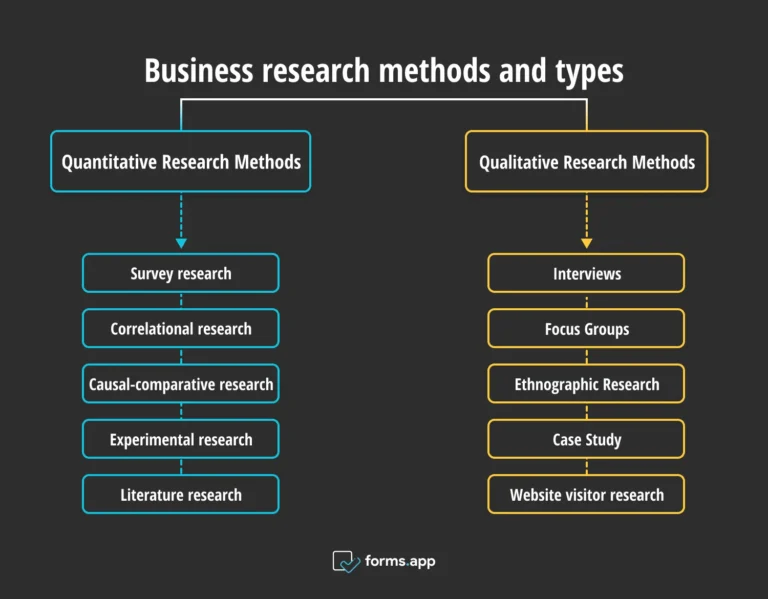
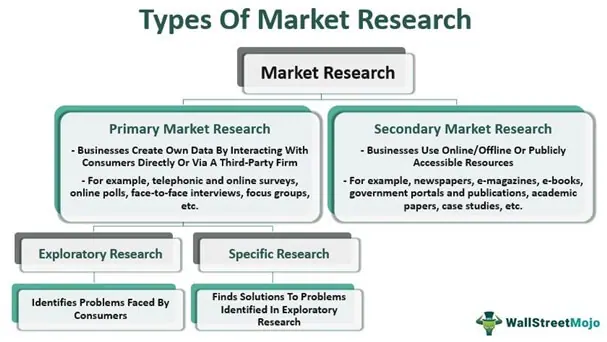
In this section, describe the methods used to gather data and the analytical approach applied. Whether surveys, interviews, or focus groups were utilized, being specific enhances credibility. Provide enough detail that another analyst could replicate the work.
This is often the most substantial section of the report. Present the results clearly using data visualizations like charts and graphs where applicable. Organizing findings by key themes or factors can facilitate understanding. Aim for clarity, focusing on the data that is most relevant to the objectives stated earlier.
Here, you interpret the findings. Discuss what the data means, highlighting patterns, trends, or anomalies. This part connects the dots and should be closely tied to the initial objectives. Avoid jargon; explain any technical terms to ensure accessibility.
Based on the findings and analysis, this section provides actionable suggestions. Recommendations should be practical and achievable, aligning with both the business’s goals and the resources available. Clearly outline each suggestion to facilitate implementation.
A brief wrap-up reiterates key points and emphasizes their significance. It may also restate the importance of the recommended actions in relation to the business goals.
Any additional data, charts, or information that supports the report but is too detailed for the body can be included here. Appendices should be organized and labeled clearly for easy reference.
Always cite sources used in the report to add credibility. This includes any reports, articles, or research papers that contributed to your analysis. Use a consistent citation style throughout.
| Section | Purpose |
|---|---|
| Executive Summary | Summarizes key points |
| Introduction | Sets context and purpose |
| Methodology | Describes data collection and analysis methods |
| Findings | Presents data and results |
| Analysis | Interprets findings and discusses significance |
| Recommendations | Offers actionable suggestions |
| Conclusion | Wraps up key insights |
| Appendices | Includes supporting data |
| References | Cites sources |
By adhering to this structured approach, creating a business analysis report can be straightforward and yield valuable insights that drive informed decision-making.
For further exploration on the practical aspects of analysis and its role in decision-making, check out this article.
Analyzing sales data to discern purchasing patterns over the last year can reveal emerging market trends. This report can help businesses adapt their offerings accordingly.
Why this matters: Highlighting trends in consumer behavior enables organizations to pivot quickly, ensuring their products remain relevant and in demand.
Conducting a time and motion study to identify bottlenecks in production can lead to recommendations on resource allocation and process improvements.
Why this matters: Providing a clear overview of operational inefficiencies aids management in making informed decisions that streamline processes and reduce costs.
Creating a financial comparison report that evaluates revenue growth against industry benchmarks can highlight areas needing attention or investment.
Why this matters: Stating current financial health relative to competitors allows organizations to make data-driven decisions regarding pricing, marketing, and investment strategies.
Utilizing surveys and feedback loops to compile data on customer experiences can identify pain points in service delivery.
Why this matters: Asking customers directly provides actionable insights, enabling businesses to enhance service quality and foster customer loyalty.
Formulating a detailed risk assessment that evaluates potential threats associated with a new project can help in strategizing preventive measures.
Why this matters: By keeping risks at the forefront of planning, organizations can mitigate future issues that may derail project success.
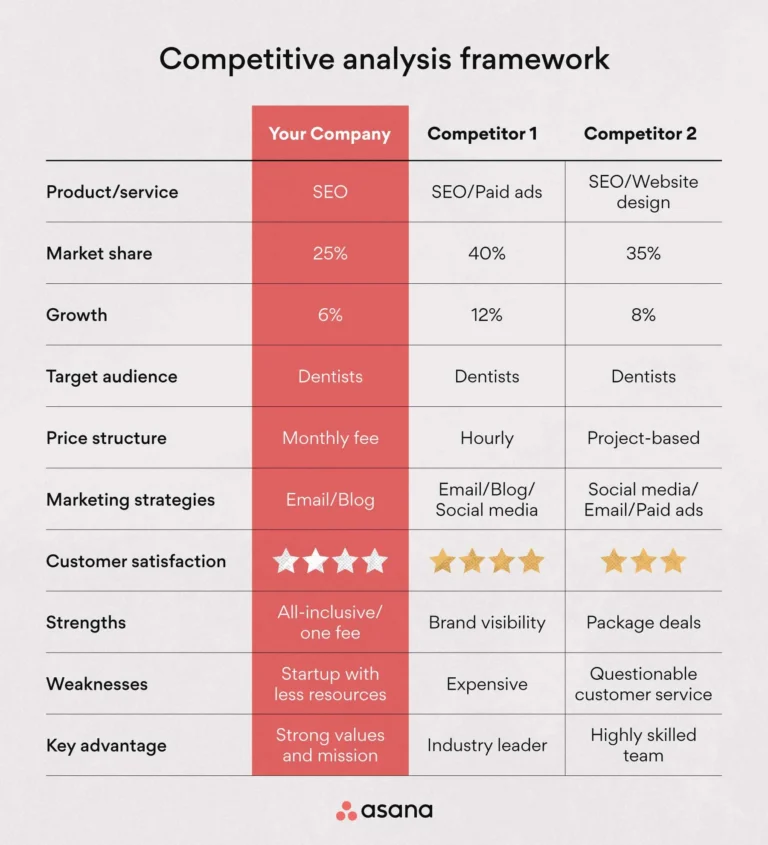
Researching competitors’ offerings, market positioning, and pricing strategy can lead to insights for improving one’s own business model.
Why this matters: Highlighting direct competition equips businesses with the knowledge to differentiate themselves in the marketplace.
Conducting an assessment of current technology used versus potential innovations can illuminate areas where digital transformation is needed.
Why this matters: Providing clarity on technological gaps allows organizations to stay competitive and improve operational efficiencies through better tools.
A business analysis report typically includes several critical elements: an executive summary, project objectives, methodologies, findings, and recommendations. Each section serves to present information clearly and cohesively, allowing stakeholders to grasp the analysis at a glance.
Structuring a report involves organizing it into distinct sections, starting with an executive summary, followed by an introduction, methodology, findings, conclusions, and recommendations. This logical flow helps readers follow your argument and understand your conclusions.
You can utilize various analytical methods such as SWOT analysis, PESTLE analysis, or cost-benefit analysis, depending on your focus. Each method provides a unique lens through which to examine data, making your report well-rounded and insightful.
Many online resources, including academic journals, business consultancy websites, and professional networks, offer successful report examples. Reviewing these can provide practical insights into content and formatting that resonate with your target audience.
Putting together a business analysis report boils down to clarity and precision. Focus on your audience—make sure you’re presenting information in a way that’s both engaging and straightforward. The goal is to create a document that not only informs but inspires action based on your insights. With practice, you’ll find your voice and style, ensuring your reports resonate with those who read them. So, don’t hesitate to jump in and start producing your own reports, because each one you write brings you closer to mastering this essential skill in the business world. If you’re looking to broaden your understanding of how data can fuel your decisions, check out our article on [business analytics for better decision making](https://acmclcollege.com/which-of-these-are-examples-of-business-analytics-for-better-decision-making/)! Happy writing!