Physical Address
304 North Cardinal St.
Dorchester Center, MA 02124
Physical Address
304 North Cardinal St.
Dorchester Center, MA 02124

You’re staring at a blank page, and that daunting task of writing a business plan feels like a heavy weight on your shoulders. But here’s the thing: a well-structured business plan isn’t just a formality; it’s a roadmap for your success. Whether you’re launching a startup, seeking funding, or simply trying to clarify your vision, this plan can be the difference between merely surviving and truly thriving.
You know your idea is solid, but conveying its value to others can be tricky. A business plan organizes your thoughts, helps you identify challenges, and shows potential investors or partners that you mean business. It’s not just about filling in templates; it’s about articulating your vision clearly and persuasively.
If you’re feeling overwhelmed, don’t worry—you’re not alone. Many entrepreneurs struggle with the idea of writing a business plan. The good news? You can break it down into manageable pieces, and I’m here to walk you through every step, complete with real-world examples to make it all feel more doable.
By the end of this discussion, you’ll feel more confident in your ability to turn your vision into a concise, compelling narrative. Ready to make your ideas come to life?
For a real example that can help you see what a well-made business plan looks like, check out this article: A Business Plan Example That Elevates Your Entrepreneurial Vision.
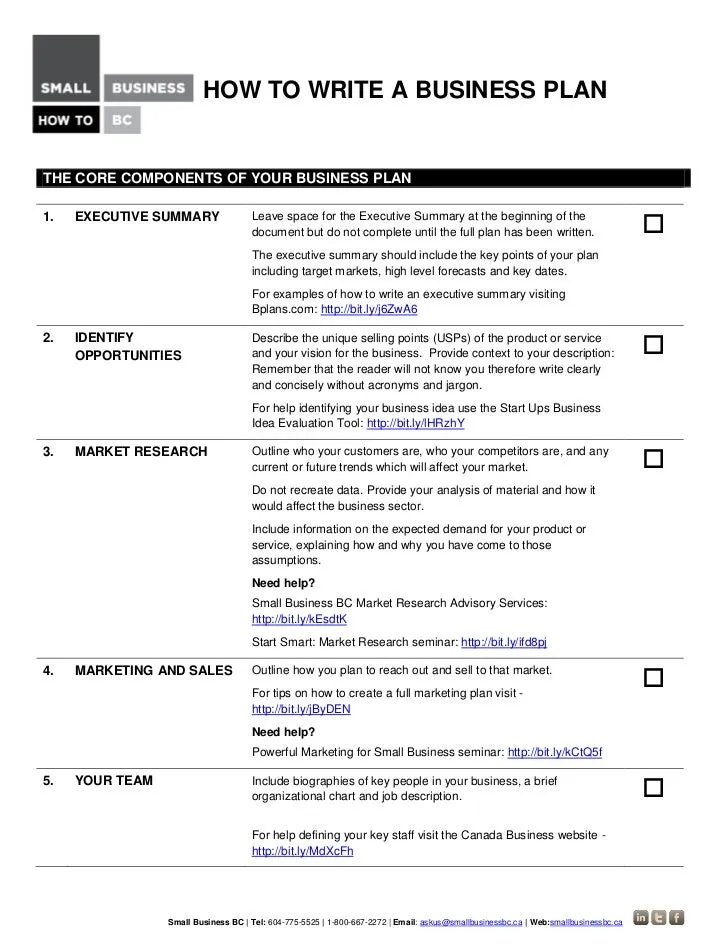
Writing a business plan involves several essential components that ensure clarity and direction. This document serves not just as a blueprint for your business but also as a critical tool for attracting investors and guiding your operational decisions. Here’s a breakdown of the main sections you should include in your business plan:
Here’s a simple table illustrating what to expect in terms of content detail for each section:
| Section | Details |
|---|---|
| Executive Summary | Overview of business concept and objectives. |
| Company Description | Nature of your business and its mission. |
| Market Analysis | Research on industry trends and target customers. |
| Organization and Management | Business structure, ownership, and team profiles. |
| Products or Services | Information on what is being sold or offered. |
| Marketing and Sales Strategy | Methods for reaching customers and driving sales. |
| Funding Request | Details of funding needs and plans for use. |
| Financial Projections | Future financial outlook and forecasts. |
| Appendix | Supporting documents and additional information. |
By structuring your business plan using these elements, you create a comprehensive resource that can guide your startup or existing business through various stages of growth. For a practical example, visit the article on a business plan example that elevates your entrepreneurial vision.
Clearly defining the target market is essential, as it guides marketing efforts and product development. For instance, a vegan food startup might conduct surveys to identify health-conscious consumers aged 25-40.
Why this matters: Stating the audience allows for tailored messaging that resonates, improving brand connection and customer loyalty.
A business plan should outline specific goals, such as achieving $100,000 in sales within the first year for a tech gadget company. This provides measurable benchmarks for success.
Why this matters: Providing concrete targets motivates the team and helps track progress, enabling timely adjustments to operations or marketing if needed.
Including detailed financial forecasts is crucial. A coffee shop may project expenses and revenue for the first three years, anticipating initial losses before reaching profitability.
Why this matters: Highlighting financial health prepares investors for realistic expectations, increasing the likelihood of securing funding and managing cash flow.
An effective business plan details marketing strategies such as social media campaigns tailored for a fitness brand, utilizing Instagram influencers to expand reach.
Why this matters: Asking how marketing will be executed informs stakeholders of the brand’s approach, fostering confidence in its growth potential.
Outlining the operational aspects, like the supply chain process for a retail store, is vital. Detailing how products will be sourced and delivered can make or break efficiency.
Why this matters: By keeping these components clear, businesses can ensure smoother operations and mitigate risks related to inventory or delivery failures.
Conducting a thorough analysis of competitors helps identify market gaps. For instance, a software company might assess existing solutions, finding a niche in user-friendly interface design.
Why this matters: Providing insights into competitive advantages enables a company to position itself uniquely, attracting customers seeking alternatives.
The executive summary provides a snapshot of the business plan. For a new restaurant, it should capture the concept, cuisine, and what sets it apart in the local market.
Why this matters: Highlighting the essence of the business at the outset engages readers and helps potential investors grasp the core vision quickly.
A robust business plan typically includes an executive summary, company description, market analysis, organizational structure, product line or services, marketing and sales strategies, funding request, and financial projections. Each section serves a specific purpose, detailing how you plan to run and grow your business.
Absolutely. Many organizations and websites offer sample business plans tailored to various sectors, such as retail, technology, and non-profits. Reviewing these examples can help clarify expectations and provide a framework to create your own personalized plan.
The length of a business plan often varies based on complexity and purpose. Generally, a concise plan ranges from 15 to 25 pages, ensuring it covers all crucial information while remaining easy to read and understand. Clarity is paramount.
Some frequent pitfalls include being overly optimistic with financial projections, neglecting market research, and failing to specify your target audience. Additionally, jargon-filled language can alienate readers, so aim for clear and straightforward writing.
Writing a business plan is not just about filling out templates; it’s about clearly articulating your vision and how you intend to bring it to life. Remember, it serves as a roadmap for your goals and a tool to communicate with potential partners and investors. As you step into this process, consider your unique journey and the valuable insights you’ve gained along the way. If you need a little more inspiration, check out our article on an impactful business plan example that can elevate your entrepreneurial vision. Now, go ahead and put your ideas on paper—your future self will thank you for taking this important step!


