Physical Address
304 North Cardinal St.
Dorchester Center, MA 02124
Physical Address
304 North Cardinal St.
Dorchester Center, MA 02124

Understanding what a strategic business unit (SBU) is can make a significant difference in how you approach your business decisions. It’s not just a buzzword; it’s about knowing how to segment your organization to better respond to market needs and optimize performance. If you’re looking to enhance your organization’s effectiveness and tailor your approach to different market demands, grasping the concept of SBUs is essential. 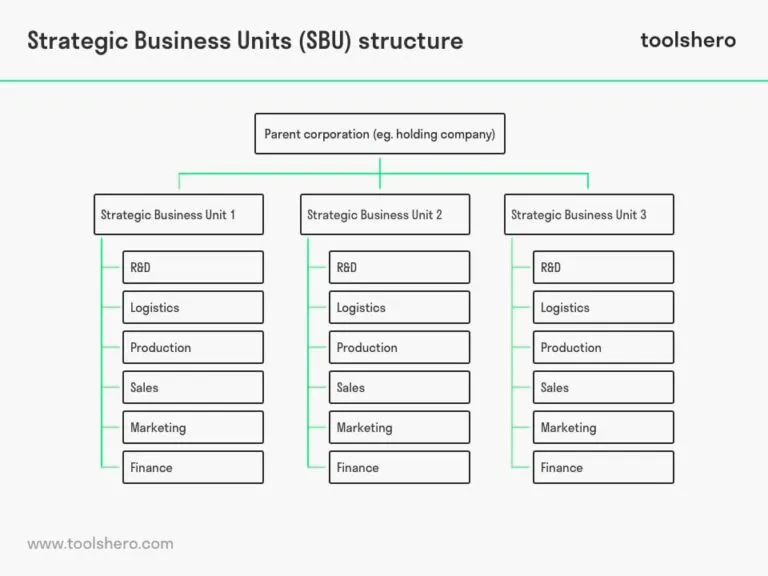
Imagine a large corporation with various products targeting distinct customer segments. Instead of treating the entire company as a monolithic entity, breaking it down into smaller, focused SBUs allows for more agility and specialization. Each unit can operate like a mini-business, with its own strategy and goals, making it easier to react to changes in the environment. Think of it as assigning ownership of different parts of your business to the teams best equipped to handle them.
For example, consider a technology company that manufactures both smartphones and laptops. Each product line can be treated as a separate SBU, allowing dedicated resources and strategies tailored to the unique challenges they face. This not only fosters innovation but also enhances accountability, ultimately helping each unit thrive in its specific market.
This approach can lead to better resource allocation, clearer marketing messages, and stronger competitive positioning. As organizations evolve, understanding and implementing SBUs can create a framework for sustainable growth and adaptability.
For a deeper understanding of how these concepts play out in real-world scenarios, check out other related articles such as “What Is Business With Example To Enhance Your Understanding” to put these ideas into practice.
A Strategic Business Unit (SBU) is a segment of a larger organization focused on a specific market, product line, or customer group. Understanding the core concepts of an SBU can help businesses better allocate resources, enhance decision-making, and drive growth. Here’s a breakdown of its essential components:
Consider a company like General Electric (GE) that operates various SBUs, including a Consumer Electronics Division. This unit specializes in producing home appliances. Here’s how it exemplifies the core elements:
| Core Element | Description |
|---|---|
| Autonomy | Can launch new products without needing approval from the parent company. |
| Clear Market Focus | Targets homeowners looking for modernized appliances, ensuring dedicated marketing efforts. |
| Relevant Performance Metrics | Evaluated on sales growth, customer satisfaction scores, and market share in the appliance sector. |
| Distinct Goals | Aims for a 15% increase in sales within two years, specific to the appliance market. |
| Resource Allocation | Receives budget based on projected returns from new product launches in energy-efficient appliances. |
This structure allows the Consumer Electronics Division to be responsive to trends, innovate effectively, and align its efforts with customer needs, showcasing the benefits of operating as a Strategic Business Unit. For readers wanting to explore deeper aspects of business, check out our article on What Is Business With Example To Enhance Your Understanding.
Procter & Gamble organizes its various brands such as Tide, Pampers, and Gillette into distinct strategic business units. Each unit focuses on its specific market segment, allowing for tailored marketing and product development.
Why this matters: Highlighting the importance of specialization, this structure allows Procter & Gamble to optimize resources and quickly adapt to market trends across different consumer categories.
Coca-Cola manages its operations by establishing regional strategic business units like North America, Latin America, and Europe. Each unit tailors its marketing and product offerings to regional preferences and cultural nuances.
Why this matters: Stating the significance of understanding local markets, this approach helps Coca-Cola maintain a strong brand presence while effectively addressing diverse consumer needs.
IBM categorizes its services into strategic business units such as Cloud Computing, AI, and Security Solutions. This segmentation allows for targeted innovation and specialized expertise in each area.
Why this matters: By keeping innovation focused, IBM can leverage cutting-edge technology tailored to distinct business challenges, maintaining its competitive edge in multiple sectors.
General Electric (GE) operates through various strategic business units like Energy, Aviation, and Healthcare. Each unit operates semi-autonomously, allowing for prompt response to industry changes and advancements.
Why this matters: Providing flexibility in management, this model ensures that GE can pivot quickly amidst evolving market conditions without affecting the entire organization.
Nestlé’s strategic business units focus on sectors such as nutrition, health, and wellness, allowing for innovation specifically targeted at evolving consumer tastes and dietary needs.
Why this matters: Asking how consumers’ preferences shape product offerings, this approach enables Nestlé to remain competitive in a fast-changing food industry.
Samsung divides its operations into strategic business units like Consumer Electronics, Mobile Communications, and Home Appliance, each dedicated to different consumer electronics markets.
Why this matters: Emphasizing specialization, this division allows Samsung to invest in research and development pertinent to each sector, driving innovation and product excellence across categories.
Citigroup operates through strategic business units such as Global Consumer Banking and Institutional Clients Group. This segmentation helps them cater tailor-fit services to different client needs.
Why this matters: By keeping client requirements distinct, Citigroup can enhance customer satisfaction and optimize financial solutions across diverse market segments.
A strategic business unit is a division or segment within a larger organization that operates with its own business strategy, objectives, and resources. It focuses on a specific product line or market, allowing the organization to tailor its approach and respond to competitive pressures more effectively.
Sure! Consider a large company like Procter & Gamble, which has various SBUs such as beauty, health, and home care. Each unit has its own target market and competitive strategy, enabling Procter & Gamble to innovate effectively and meet diverse consumer needs.
The main difference lies in autonomy. While other parts of a company may depend heavily on centralized management, an SBU operates somewhat independently, making key decisions about its product lines, marketing, and operations. This allows it to adapt quickly to market changes.
SBUs often face challenges like resource allocation and alignment with the broader company goals. Balancing independence while still aligning with the overall corporate mission can be tricky, especially when external market conditions shift significantly.
Explore more about business concepts in our related article: [What Is Business With Example To Enhance Your Understanding](https://acmclcollege.com/what-is-business-with-example-to-enhance-your-understanding/)Understanding what a strategic business unit is can really change the way you think about your organization’s structure and goals. Whether you’re part of a large corporation or a small startup, grasping this concept helps sharpen focus on distinct markets and customer needs. It’s all about aligning resources and efforts to drive growth in specific areas, like how a tech giant manages its gaming division separately from its hardware sector. By breaking things down this way, you can make more informed decisions that resonate with your target audience. So why not take a closer look at how your own business could benefit from this approach? After all, every unit has the potential to shine on its own!