Physical Address
304 North Cardinal St.
Dorchester Center, MA 02124
Physical Address
304 North Cardinal St.
Dorchester Center, MA 02124

Turnover isn’t just a buzzword; it directly affects your bottom line. Understanding what turnover means in business is crucial, whether you’re managing finances or analyzing your company’s health. It’s about the movement of money, and getting a handle on it can make or break your success.
Imagine you run a café. Each month, the total sales revenue from all your coffee and pastries adds up to your turnover. This number helps you gauge how well your business is performing and informs decisions about inventory, staffing, or potential expansions. Without clarity on turnover, even a well-loved café might struggle to stay afloat.
Grasping this concept equips you to analyze expenses and profits more accurately. It’s not just about what comes in; it’s also about ensuring efficiency and growth. If turnover is low, it might signal the need to evaluate your offerings or marketing tactics.
Turnover in business, commonly referred to as revenue or sales, represents the total income generated from normal business operations. Understanding turnover is critical for assessing a company’s financial health and operational efficiency. Here are the core elements that define turnover, along with an illustrative example.
Turnover is the revenue that a company earns from its sales of goods or services. It is calculated over a specific period, usually a financial year or quarter. It provides a clear snapshot of a company’s sales performance without accounting for costs or expenses.
Consider a small bakery that sells various baked goods. Over the year, the bakery makes the following sales:
To calculate turnover, we can apply the formula:
| Description | Amount |
|---|---|
| Total Sales | $300,000 |
| Less: Returns | ($5,000) |
| Less: Discounts | ($2,000) |
| Net Turnover | $293,000 |
This bakery’s net turnover for the year is $293,000, indicating its total income from sales after accounting for returns and discounts.
Regularly monitoring turnover helps businesses gauge their sales performance and make informed decisions. It’s often seen as a leading indicator of business growth and potential profitability. A strong turnover may suggest high demand for products or effective sales strategies, while a declining turnover could signal issues that need addressing, such as changes in consumer preference or increased competition.
For more insights on foundational business concepts, you can check out What Is Business With Example To Enhance Your Understanding.
Understanding turnover in business is crucial for assessing a company’s financial health and operational efficiency. Below are seven practical examples and use cases that illustrate the concept of turnover: “`htmlA clothing retailer reports an annual turnover of $5 million, indicating the total revenue generated from selling apparel and accessories over the year.
Why this matters: By analyzing turnover, the retailer can gauge sales performance and identify growth trends.
A restaurant calculates its monthly turnover by summing all sales from food and beverage services, providing insight into its operational success.
Why this matters: Monitoring turnover helps the restaurant assess its financial health and make informed decisions.
A SaaS company determines its quarterly turnover by totaling subscription fees collected from clients, reflecting the company’s market demand.
Why this matters: Tracking turnover enables the company to evaluate customer retention and subscription growth.
A manufacturing company calculates its annual turnover by adding up all sales revenue from produced goods, indicating production efficiency.
Why this matters: Assessing turnover assists the firm in understanding market demand and production capacity.
A consultancy firm computes its turnover by summing all fees billed to clients for advisory services over a fiscal year.
Why this matters: Evaluating turnover helps the firm measure service demand and financial performance.
An e-commerce business calculates its monthly turnover by totaling all online sales transactions, reflecting its digital sales reach.
Why this matters: Monitoring turnover aids the business in assessing online sales effectiveness and customer engagement.
A hotel determines its monthly turnover by adding up all income from room bookings and related services, indicating hospitality demand.
Why this matters: Tracking turnover enables the hotel to evaluate occupancy rates and service popularity.
Turnover refers to the total revenue generated by a business within a specific period, typically measured yearly. It essentially represents sales before any deductions like costs or expenses are factored in, showing how much money flows through the business.
Sure! Imagine a boutique clothing store that sells apparel. If the store makes $500,000 in sales during a year, that figure is its turnover. Regardless of the store’s costs or profit, the turnover shows the volume of sales generated in that timeframe.
Turnover is primarily about sales revenue without accounting for costs, while profit is what’s left after all expenses are subtracted from that revenue. In simple terms, turnover shows how much money comes in, whereas profit indicates how much a business actually retains after all bills are paid.
Understanding turnover helps businesses gauge their sales performance and growth trends over time. It can also assist in evaluating operational efficiency and making informed financial decisions, such as budgeting or future investments.
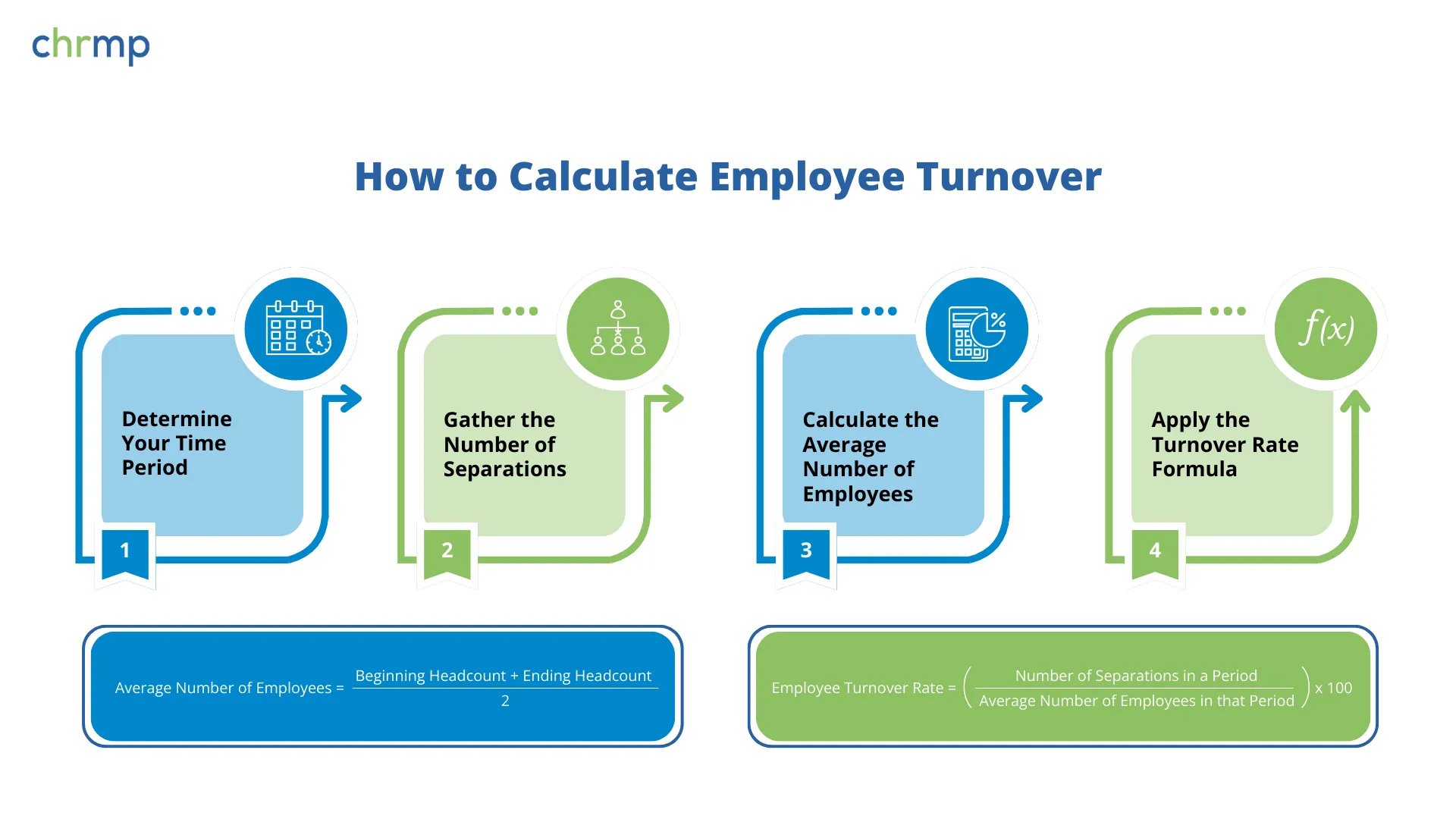
For more insights into business fundamentals, you might find the article on [What Is Business With Example To Enhance Your Understanding](https://acmclcollege.com/what-is-business-with-example-to-enhance-your-understanding/) helpful!Understanding turnover in business is crucial not just for keeping an eye on profits, but also for gauging the health of your workforce. High turnover can indicate deeper issues within a company, while a stable workforce often shows a thriving environment. So, as you think about your own business, remember that addressing employee satisfaction and engagement can directly influence your turnover rates. Keep observing, learning, and adjusting as you go. Your business deserves the effort, and so do the people who help it succeed.