Physical Address
304 North Cardinal St.
Dorchester Center, MA 02124
Physical Address
304 North Cardinal St.
Dorchester Center, MA 02124

Ever wondered how businesses are transforming their operations and reaching customers without a physical storefront? E-business is the answer. It’s not just a buzzword; it’s a fundamental shift in how commerce is conducted today. From online marketplaces to digital services, e-business has changed the game for entrepreneurs and consumers alike.
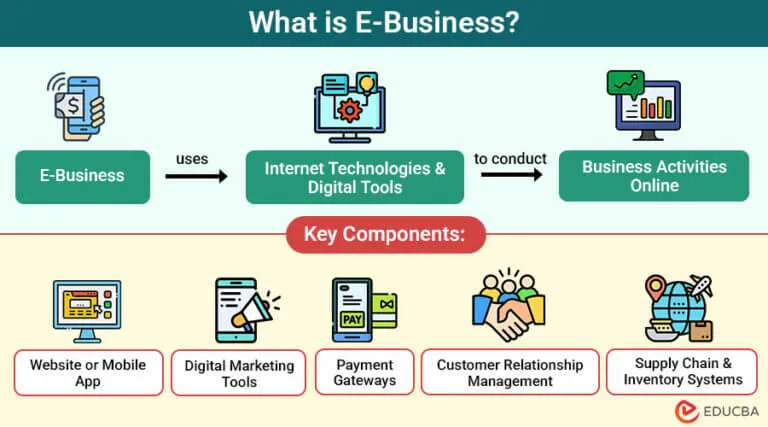
To put it simply, e-business encompasses all activities that a company conducts over the Internet. Whether it’s selling products, managing supply chains, or even providing customer service, we’re seeing organizations leverage online platforms to streamline operations and enhance customer experience.
Take Amazon as a prime example. What started as an online bookstore has evolved into a colossal marketplace that covers virtually every niche imaginable. They’ve harnessed technology to make shopping convenient, fast, and accessible from anywhere—demonstrating how e-business can thrive and expand in a digital world.
E-business, or electronic business, refers to the conduct of business processes over the internet. This encompasses a wide range of online business activities, from buying and selling products to managing customer relationships and conducting financial transactions. Understanding its core components can help clarify its significance in today’s digital marketplace.
| Business Model | Description | Example |
|---|---|---|
| B2C (Business to Consumer) | Direct sales of products or services to individual consumers. | Amazon, Etsy |
| B2B (Business to Business) | Transactions between businesses, often involving wholesale or supply chain dealings. | Alibaba, ThomasNet |
| C2C (Consumer to Consumer) | Platforms that enable consumers to sell directly to other consumers. | eBay, Craigslist |
| C2B (Consumer to Business) | Individuals selling products or services to businesses. | Freelancer platforms like Upwork |
The understanding of e-business today is shaped by its various components, models, and the associated benefits and challenges. For a deeper insight into the broader context of business, you might find this article on business concepts informative.
Amazon revolutionized retail by creating a comprehensive online marketplace where customers can browse millions of products, read reviews, and make purchases with just a few clicks.
Why this matters: Demonstrating the ease of shopping online encourages consumers to make purchases from the comfort of their homes.
PayPal allows users to send and receive money electronically, making online transactions secure and convenient across various platforms.
Why this matters: Enhancing transaction security builds consumer trust in e-business, vital for driving sales.
Spotify offers music streaming on a subscription basis, providing users access to millions of songs while generating a steady revenue stream for the company.
Why this matters: Highlighting predictable income models helps businesses forecast revenue and plan growth effectively.
Coursera partners with universities to offer online courses, allowing learners to acquire new skills at their own pace without the constraints of traditional educational settings.
Why this matters: Stating the accessibility of education democratizes learning opportunities, broadening user engagement and satisfaction.
Brands utilize platforms like Instagram and Facebook to engage customers through targeted advertising and interactive content.
Why this matters: By showcasing brand presence on social media, companies can increase visibility and foster community around their products.
Companies like Netflix analyze viewer data to personalize recommendations, enhancing user experience and retention rates.
Why this matters: Providing tailored experiences drives customer loyalty, making it crucial for sustained success in e-business.
Services like AWS enable businesses to host applications and store data on the cloud, reducing IT costs and improving scalability.
Why this matters: Keeping operational flexibility at the forefront allows companies to adapt quickly to market changes and customer needs.
E-business encompasses various elements like online retail, electronic transactions, and customer service. These components work together to facilitate commerce and improve customer engagement. For instance, an e-commerce site combines product listings with a secure payment gateway and live chat support.
Amazon serves as a prominent example of e-business. It integrates a range of services, from digital marketplaces to streaming and cloud computing, allowing customers to shop, share, and access content seamlessly. Its model illustrates how diversity in service offerings drives online business success.
E-businesses often grapple with logistics, cybersecurity concerns, and maintaining customer trust. Issues like data breaches can deter users, while inefficient supply chains can impact service delivery. Addressing these challenges is crucial for long-term sustainability.
While traditional business relies on physical locations and face-to-face interactions, e-business operates online, providing greater reach and convenience. This shift enables instant transactions and broader markets, often leading to enhanced customer experiences compared to conventional methods.
When you think about e-business, remember it’s more than just online shopping; it’s a whole ecosystem that reshapes how companies interact with customers and each other. Take a cue from the success stories like Amazon or Shopify, where innovation meets convenience and customer focus. As you explore the world of e-business, keep your eyes open for the unique opportunities that digital platforms bring to your ventures. If you want to broaden your understanding of business as a whole, check out our article on what business means, complete with practical examples. Embrace this digital shift—you might just find your path to success in it!